

former gasworks
Quakers Yard
Winner of 2025 Green Apple Award
and Green Worlds Award 2026
Shortlisted for Brownfield Briefing 2025 Awards
‘Best Biodiversity Net Gain or Enhancement on a Brownfield Project’ & ‘Best Sustainable Re-Use of Materials’
Introduction
Biogenie successfully completed the remediation of the former Quakers Yard gasworks on behalf of valued long-term client Wales & West Utilities. The site was within a highly sensitive and constrained setting and project was delivered on-time, budget whilst mitigating disruption to the local community, contamination risks and delivering sustainable and ecological benefits.
Gas production dated back to 1898 with works ceasing in 1948 before the site was demolished in two phases during the 1950s and 1970s. During the 1980s, the site was used as a small depot before becoming disused until the Local Authority constructed a pedestrian bridge and cycle path through the site in the late 1990s.
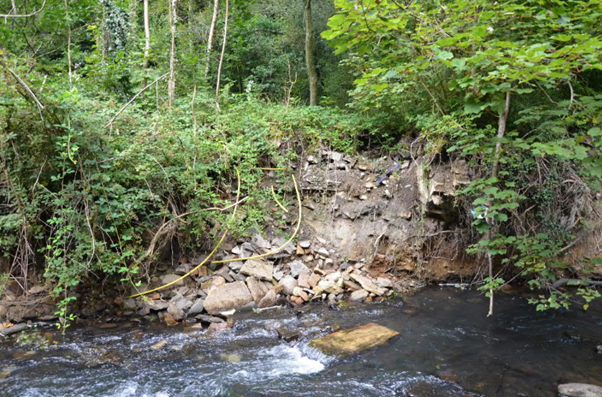
The site was identified as requiring remediation based on its historic use, remaining in ground infrastructure and associated contamination and eroding riverbank exposing contaminated made ground. Swift intervention was required to mitigate the risk of catastrophic collapse of the riverbank.
The works included extensive ecological surveys, site investigation, excavation and turnover, soil stabilisation/solidification, riverbank restoration, drainage works and ecological restoration including tree planting.
The primary objective of the works was to mitigate potential statutory risks and render the site suitable for continued use as public open space. A key challenge was delivering these objectives on a highly constrained site with little space, no vehicle access and in an ecologically sensitive setting.
The Approach
A phased approach was applied to assess and mitigate the site constraints and finalise the remediation design.
An updated Conceptual Site Model and Detailed Qualitative Risk Assessment were undertaken to inform the Options Appraisal and Design Strategy and decide the Best Practicable Technique. Site-wide excavation and turnover, assessing and sentencing materials for re-use and treatment using onsite soil stabilisation/solidification was the general remediation approach.
A Materials Management Plan in accordance CL:AIRE Development of Waste Code of Practice (DoWCoP) was utilised to record and verify material re-use. Materials unsuitable for re-use were appropriately segregated, stockpiled and subject to re-use assessment, treated (or classified for off-site disposal/recycling to appropriately licensed facilities e.g. asbestos and cast-iron pipework).
Regulatory Consultation
Biogenie consulted extensively with Merthyr Tydfil County Borough Council (MTCBC) and agreed the voluntary remediation works could be undertaken under Wales & West Utilities’ Permitted Development Rights.
The Remediation Implementation and Verification Plan was presented to regulatory authorities including various departments at MTCBC, Sustrans and Natural Resources Wales (NRW).
Biogenie’s Environmental Permit (Mobile Treatment License) was deployed with works undertaken in-line with an Environmental Monitoring Plan
A Flood Risk Assessment Permit (FRAP) was agreed with NRW including associated river protection measures.
The Works
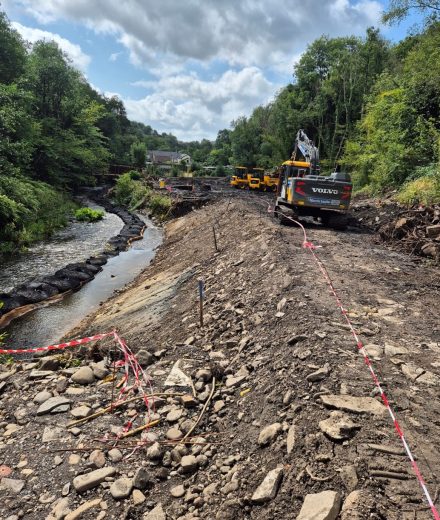
Preparatory works included facilitating access, securing the site and extensive tree and vegetation clearance. The main works were undertaken between July and December 2024 with post-works habitat restoration works completed in Spring 2025.
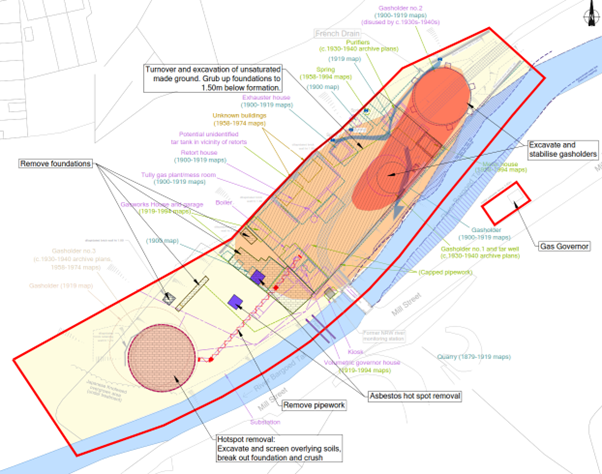
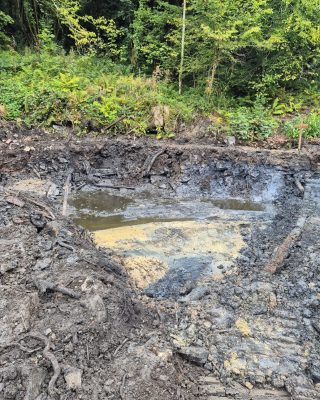
Site-wide excavation and turnover works encountered former gasworks structures and numerous cast iron process pipes and locally tar-stained materials extending to clean natural material at 2.0 m bgl.
Nuisance mitigation measures were implemented including minimising open excavations, damping down and use of odour suppressant foam.
Shallow localised asbestos ‘hot spots’ were segregated prior to being excavated and hand-picked for disposal to a licensed facility.
The concrete base of above ground former above ground Gasholder No.3 was broken out and stockpiled alongside encountered oversize concrete and brick foundations followed by processing and crushed for re-use as a sub-base to the cyclepath reinstatement.
The total site-wide excavation and turnover works processed approximately 4,000m3 of material of which 413m3 was quarantined and treated onsite. Concrete and brick material was crushed to generate approximately 100m3 of <40mm aggregate for re-use as sub-base for the cycle-path reinstatement. Less than 50m3 (representing just over 1% of the total excavation volume) of general waste, scrap metal and asbestos materials were sent offsite for disposal at licensed facilities or recycling.
Drainage Works
A designed drainage system was installed to isolate spring water flowing onto site from the hill side and discharging into the river. The system captured water in a lined French Drain before being channelled through a non-perforated pipe and discharging to the river via a dedicated headwall within the riverbank. The design prevented waters flowing through the surrounding made ground.
Riverbank Restoration and Protection Works
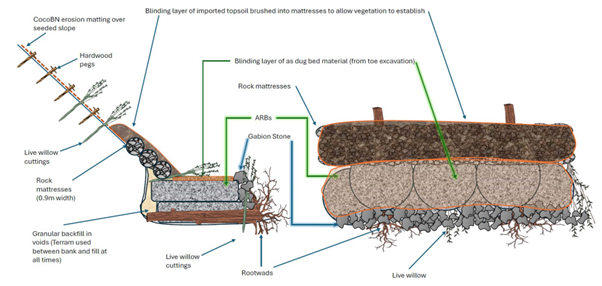
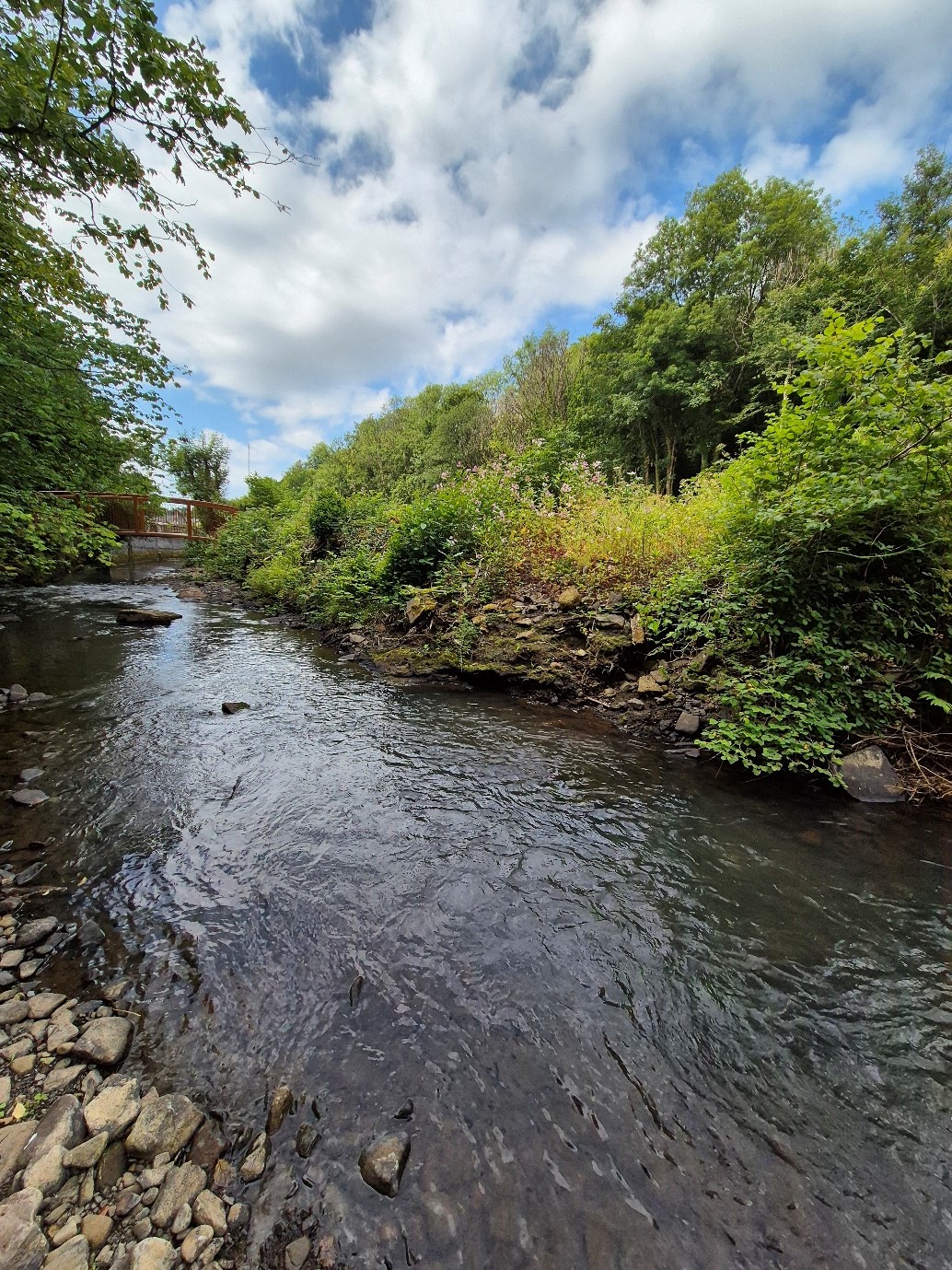
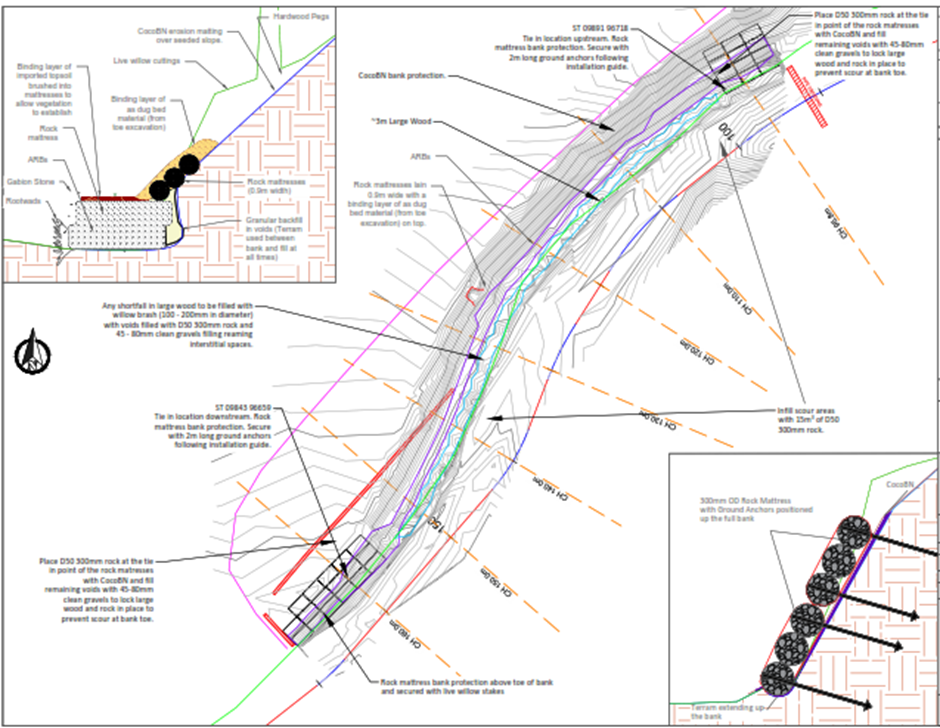
A sustainable riverbank solution was designed and constructed alongside reprofiling and removal of contamination for treatment.
The design was aimed at being in keeping with the natural characteristics of the river and improve its capacity to support a healthy and diverse ecosystem in-line with best practice. The design utilised site-won wood from the site clearance works to provide additional refugia for fish and generate hydraulic heterogeneity.
Rock mattresses, aqua rock bags and some imported aggregate was used to supplement the site-won rock material. The use of aqua bags increased the sediment accretion and is more efficient than standard hard-engineering solutions increasing (between 3-10 times) both abundance and diversity of aquatic invertebrates compared to rip rap and gabions.
Imported clean topsoil was placed over top of the landward side of the toe structure and native wildflower/grass seed mixture spread with 200 live willow cuttings planted in the upper bank section to aid the development of the riparian bank vegetation.
Habitat Restoration and Enhancement Plan including Biodiversity Net Gain
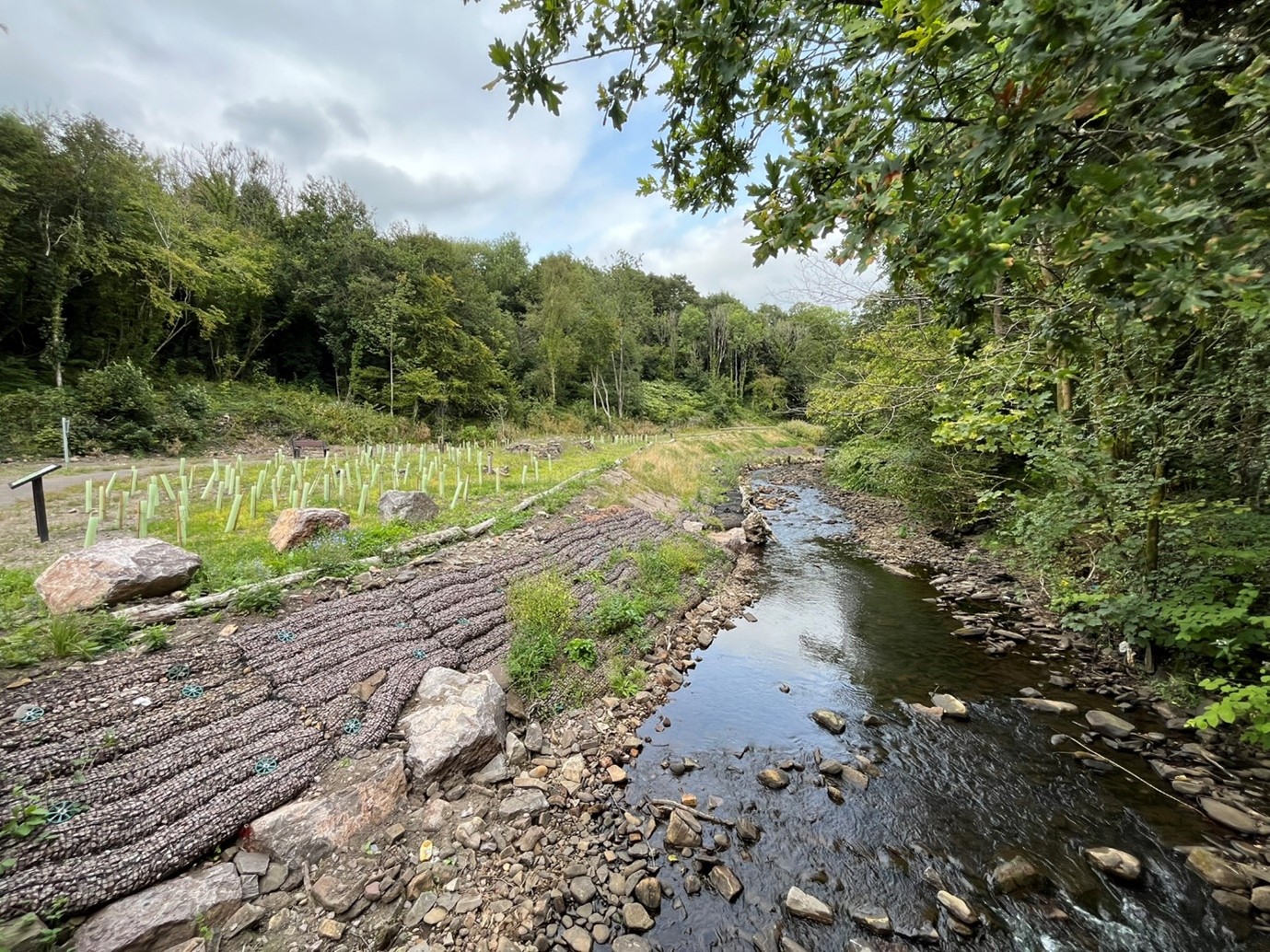
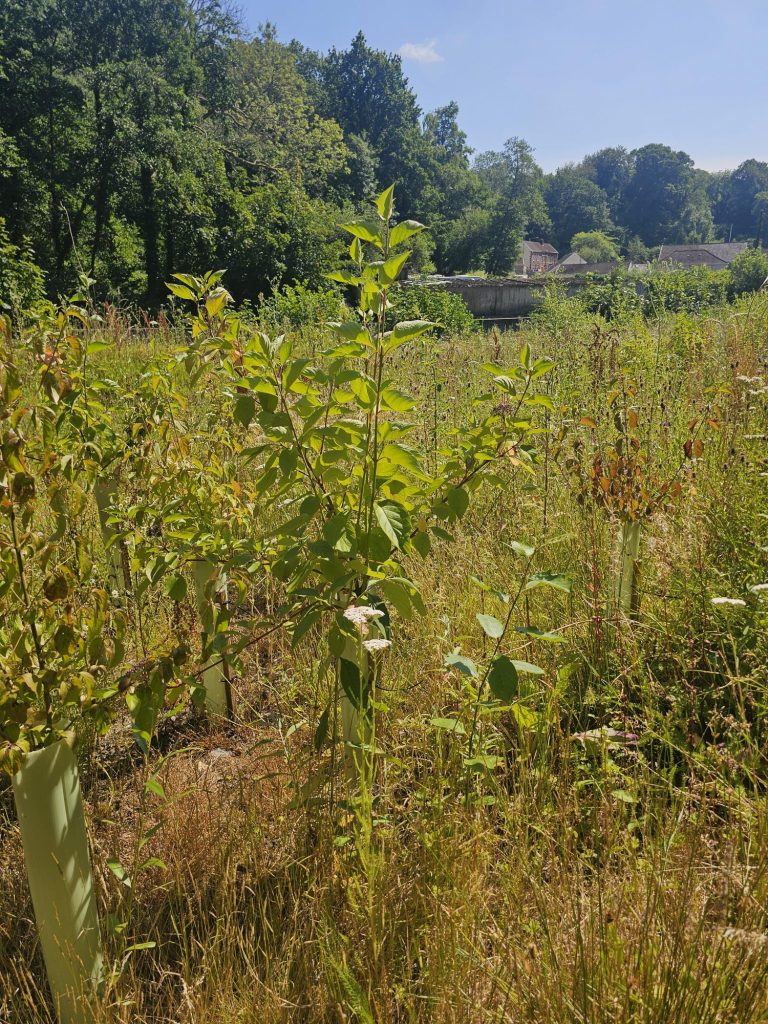
Biodiversity Net Gain (BNG) requirements (although not implemented in Welsh law) were a client requirement and factored into the post works habitat reinstatement. These works included the planting of 860 native trees and shrubs onsite in addition to the 200 willows on the riverbank and a wildflower/grass seed mix sown. An additional 670 trees were planted offsite in-line with the Wales & West Utilities commitment to plant five trees for each one removed on their sites.
The habitat restoration and enhancement works included the construction of two large hibernacula, an otter holt, bee hotels, bee basking bank and the installation of numerous bird and bat nesting boxes and kingfisher specific boxes.
Although a net neutral target outcome, this was far exceeded with the reduced vehicle/plant traffic, additional offsite tree planting, re-use of site-won materials and riverbank willow planting.
Social Value
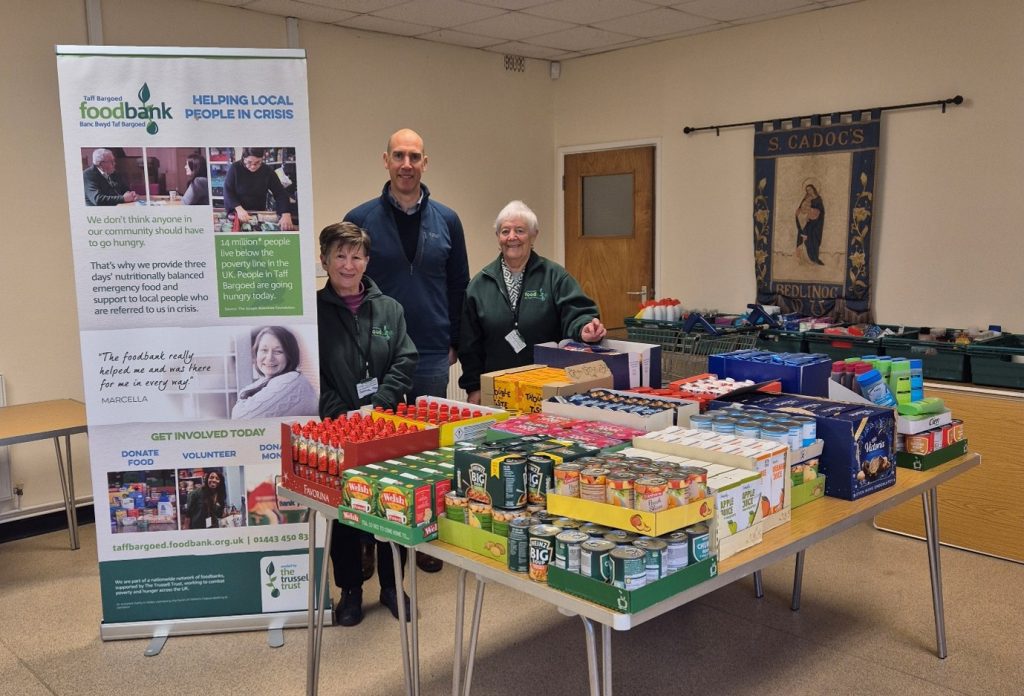
A donation was made to the Taff Bargoed Foodbank to support the local community and families in need over the Christmas period.
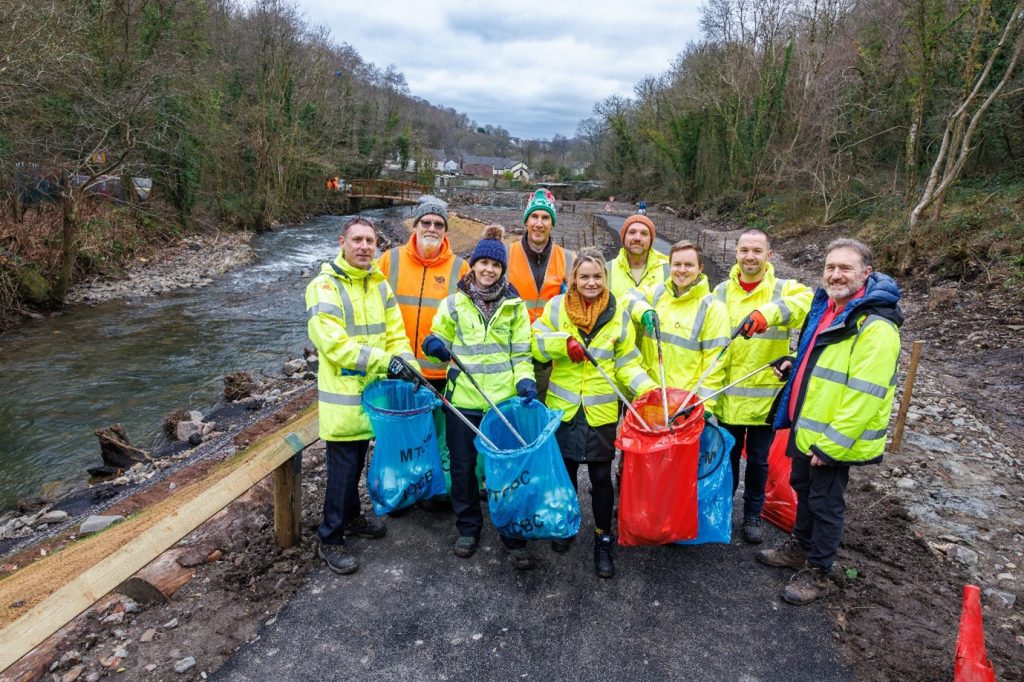
A litter picking event was organised alongside Keep Wales Tidy and attended with representatives from Biogenie, Wales & West Utilities, Keep Wales Tidy, MTBCC, NRW and local community volunteers. The day also coincided with the annual Save the Children Christmas Jumper day with appropriate attire being worn and donation made.
Upon completion of the site works, two benches and information boards describing the site’s industrial history as a gasworks and local ecology were installed alongside the reinstated cycle-path.
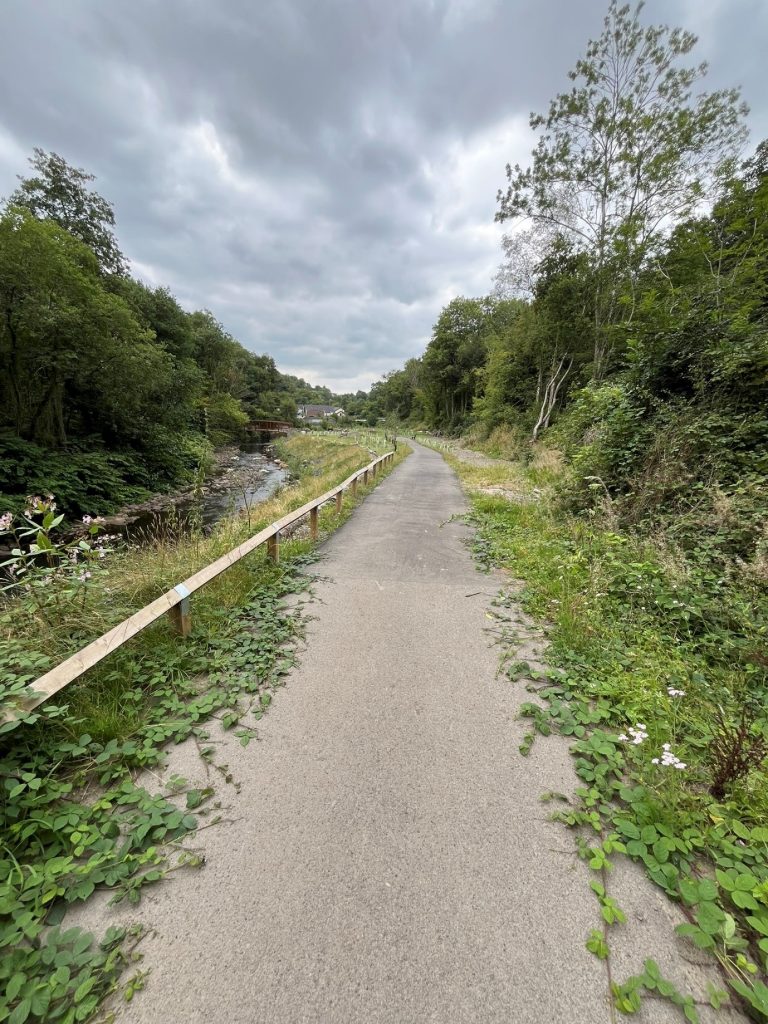

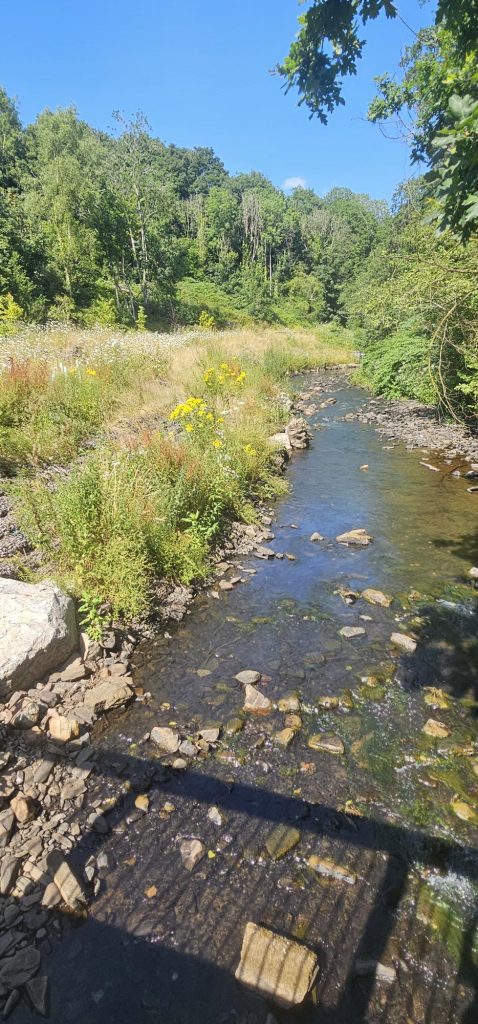
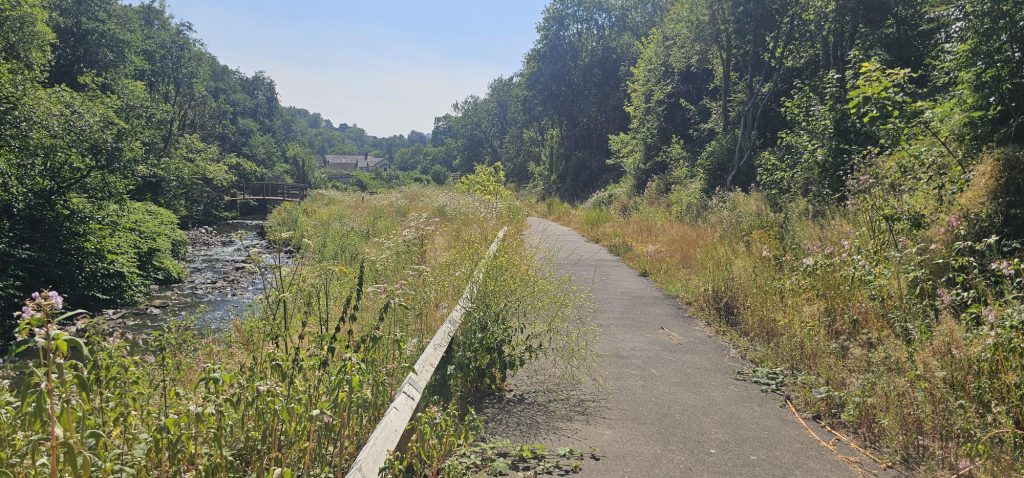
Quakers Yard Ecological Restoration Receives Praise from Wales & West Utilities
Biogenie is proud to share positive feedback received from Wales & West Utilities following the successful ecological restoration of our Quakers Yard project.
The project focused on restoring the site to deliver long-term environmental benefits, with careful attention given to habitat enhancement and ecological improvement. Wales & West Utilities were delighted with the outcome, praising the quality of the restoration works and the positive transformation achieved across the site.
Their complimentary feedback reflects the dedication, expertise and attention to detail demonstrated by the Biogenie team throughout the project. By combining technical excellence with a strong focus on environmental stewardship, the project has created a sustainable and enhanced landscape that will continue to benefit local biodiversity for years to come.
We are grateful for the recognition from Wales & West Utilities and proud of the team’s efforts in delivering another successful restoration project that supports both infrastructure requirements and environmental objectives.

Unit 8, Commerce Park, Brunel Road, Theale, READING, RG7 4AB
Columbus House, Village Way, Tongwynlais, CARDIFF, CF15 7NE
Chadwick House, Birchwood Park, Risley, WARRINGTON, WA3 6AE
© 2025 Biogenie Remediation UK Limited